


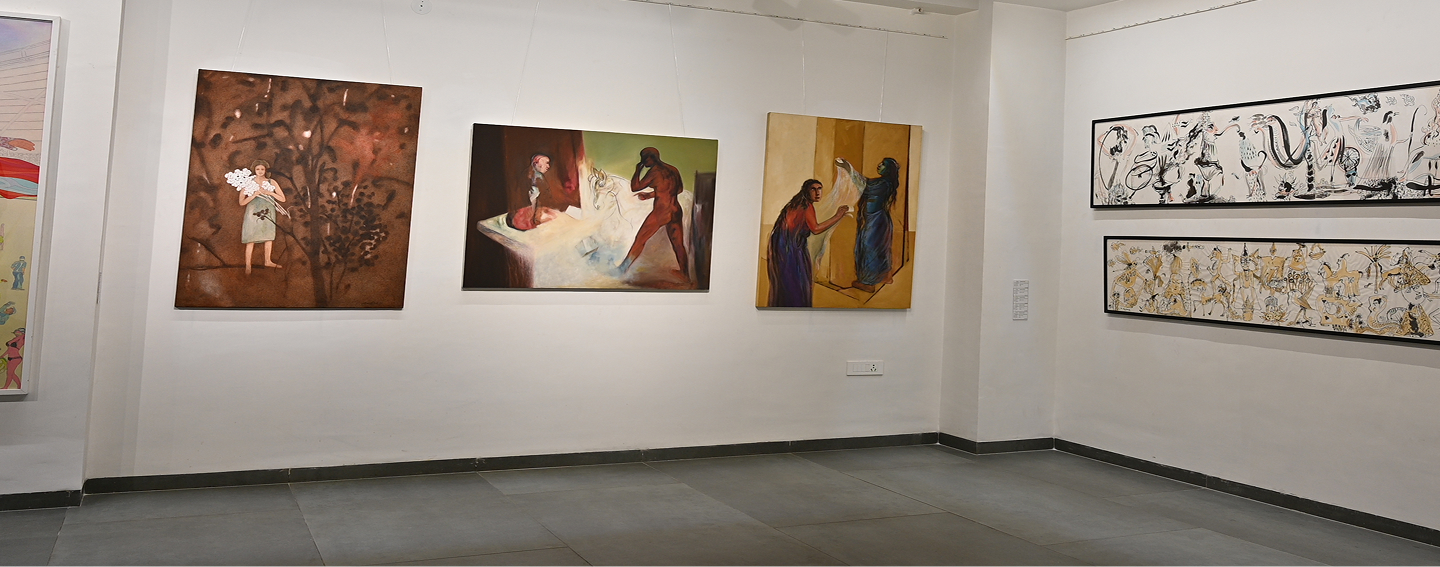
Jaipur has a vibrant and evolving art scene, and JCCA serves as a dynamic space to experience contemporary creativity. The centre showcases diverse contemporary art practices including paintings, installations, mixed media, and experimental works by emerging and established artists. Through its exhibitions, JCCA presents new ideas, social narratives, and artistic expressions that reflect today’s cultural conversations. For visitors and art enthusiasts, it offers a meaningful insight into how contemporary artists interpret identity, society, and the present moment through art.
Contemporary art is the expression of creativity regarding time. It constantly evolves as social, cultural, and technological changes occur. Unlike classical forms, it resists fixed definition and rigid rules. It is a form that celebrates the freedom of expression, experimentation, and pluralities. Works of modern art also often address contemporary audiences directly. It does it through addressing identity, environment, politics, and personal narratives. The result is an instant emotional or intellectual connection with viewers. This means that contemporary art now is extremely relevant.
Contemporary art objects also emphasize ideas in addition to aesthetics. They incorporate different resources, styles, and approaches. For example, painting, installations, digital media, and mixed media coexist. Therefore, there isn’t a single medium that dominates this creative landscape. Furthermore, modern abstract art also has a major role. It is concerned with emotion, motion, and conceptualism. Therefore, sometimes meaning is founded through interpretation, as opposed to explanation. This encourages active participation on the part of the viewer.
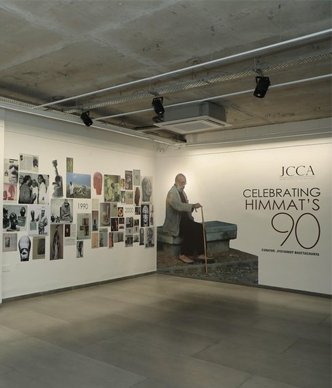
Contemporary Abstract painting today opposes representational art. They use color, texture, and form to convey their ideas. At the same time, contemporary artwork combines
abstraction and recognizable details. Such a combination achieves harmony between innovation and familiarity.
Moreover, Contemporary oil paintings remain popular.
Artists use classical methods with new themes. Thus, oil continues to have its relevance in modern practice. It connects the past with the contemporary artistic ideas.
Today, art is no longer confined to galleries. Contemporary wall decorations have the ability to transform homes, offices, and public interiors. It adds character, mood,
and cultural significance.
Hence, collectors are often in search of meaningful visual statements.
At the same time, canvas prints from contemporary art also increase their popularity. They provide an accessible way to enjoy quality artwork. Further, prints make art
accessible for a larger number of people. Such accessibility is beneficial to emerging artists of today.
Every period of time, Famous art from the contemporary period sometimes redefines global discussion. It defies conventions and spawns meaningful conversations.
Famous works acquire fame by being original and influential.
Nonetheless, celebrity never constrains creativity in modern art. Every modern artist has their own unique voice.
"They reflect personal experiences and global realities."
Therefore, diversity is the paradigm of contemporary art. This leads to innovation and sharing of cultures.
In modern society, Art collectors nowadays purchase contemporary paintings for various reasons.
There are those looking for investment potential and long-term value. While some may crave information, others will be looking for their content.
Therefore, collecting becomes both a personal and a strategic activity. Modern abstract art please contemporary tastes. It pairs well with minimalist or eclectic decorations.
Simultaneously, contemporary oil paintings are attracting traditional art fans. They admire technique married to modern expression.
JCCA is actively engaged and promotes various arts. It provides platforms for up-and-coming and renowned contemporary artists. The aim of these exhibits is to reveal a link
between art and the audience.
Hence, it enhances cultural appreciations and interactions.
Further, it highlights modern artworks in various styles. It experiments and celebrates innovative voices. JCCA fosters artistic development through well-crafted programming.
This leads to a heightened awareness and respect for contemporary art.
Modern life is reflected by contemporary art. It represents change, the uncertainty of change, and innovation. As is the way with all dynamic traditions, it is not frozen, It is always and infinitely changing and interesting. Abstract paintings ranging from contemporary works to wall paintings continue to flourish. Every artwork is a story told in the context of the era in which it is created. Finally, modern art encourages discussion and engagement. It is a strong voice of the era.

