

Modern Art vs Contemporary Art: What's the Real Difference?
Walk into any gallery or museum, and you'll likely hear the terms "Modern art" and "Contemporary art" used interchangeably. But here's a surprise: these aren't just fancy synonyms that art critics invented to sound sophisticated. They represent two distinct periods in art history, each with its own philosophy, aesthetic, and cultural context. Understanding the difference isn't just about being technically correct, it's about appreciating how radically art has evolved and how it influences the Modern paintings and Contemporary arts we see today.
The Modern Art Movement: Breaking the Rules
Modern art emerged during a period of unprecedented change. The Industrial Revolution was transforming society, cities were expanding, and new technologies like photography were challenging traditional notions of what art should accomplish. If a camera could capture reality perfectly, what was the point of realistic painting?
Modern Art vs Contemporary Art: What's the Real Difference?
Walk into any gallery or museum, and you'll likely hear the terms "Modern art" and "Contemporary art" used interchangeably. But here's a surprise: these aren't just fancy synonyms that art critics invented to sound sophisticated. They represent two distinct periods in art history, each with its own philosophy, aesthetic, and cultural context. Understanding the difference isn't just about being technically correct - it's about appreciating how radically art has evolved and how it influences the Modern paintings and Contemporary arts we see today.
It's All About Time -
The most fundamental difference between Modern and Contemporary art is temporal. Modern artwork refers to artistic work produced roughly between the 1860s and the 1970s, while contemporary arts describe work created from the 1970s to the present day. Think of it this way: modern art is historical, even though the word "Modern" suggests otherwise. Contemporary art is what's happening right now, in our current moment. This timeline distinction might seem arbitrary, but it reflects genuine shifts in how artists approached their work and responded to the world around them. The transition from modern to Contemporary wasn't just a date on a calendar, it marked a philosophical revolution in what art could be and do.
The Modern Art Movement: Breaking the Rules -
Modern art emerged during a period of unprecedented change. The Industrial Revolution was transforming society, cities were expanding, and new technologies like photography were challenging traditional notions of what art should accomplish. If a camera could capture reality perfectly, what was the point of realistic painting?
Artists responded by throwing out the rulebook. The modernists including movements like Impressionism, Cubism, Surrealism, Abstract Expressionism, and Minimalism were united by a rebellious spirit. They rejected academic traditions and realistic representation in favor of experimentation and innovation. Picasso fractured reality into geometric shapes through his revolutionary modern art painting techniques. Pollock created his iconic modern abstract painting works by dripping and splattered paint with abandon. Rothko reduced painting to fields of color, creating modern art pieces that spoke to the soul rather than depicting physical reality.
Modern abstract art became particularly influential during this period, as artists explored how color, form, and composition could convey emotion and meaning without representing recognizable objects. These weren't just paintings, they were philosophical statements about the nature of perception and reality itself.


Visit for more Artwork - Artworks at JCCA
Global Perspectives: Modern Indian Painting and Beyond -
The modern art movement wasn't confined to Europe and America. Modern Indian painting emerged as a powerful force, blending traditional Indian artistic heritage with modernist principles. Artists like M.F. Husain, S.H. Raza, and F.N. Souza created works that honored their cultural roots while embracing the experimental spirit of modernism. Modern Indian painting demonstrated that modernism could be adapted and transformed by different cultures, creating unique visual languages that spoke to local experiences while participating in global artistic conversations. This international dimension of modern artwork shows that the movement was truly worldwide, with each region contributing its own perspective and aesthetic sensibility to the broader conversation about what art could be.
Contemporary Arts: Anything Goes -
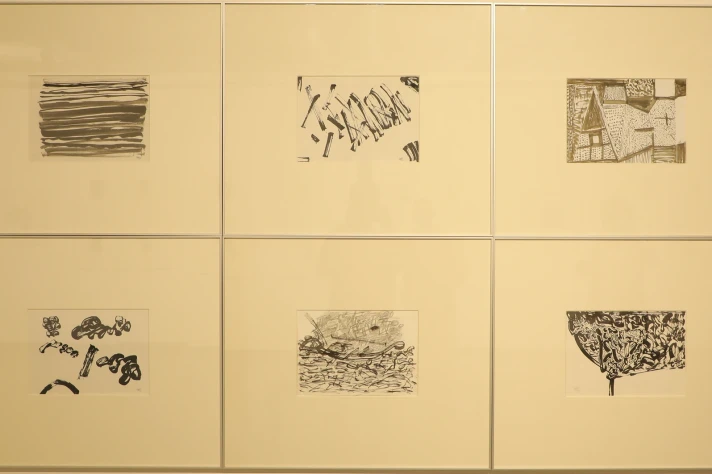
Contemporary arts emerged in a very different world. By the 1970s, many of the grand narratives that fueled modernism had collapsed. Artists became skeptical of the idea that there was one "right" direction for art to progress. Instead, contemporary arts embraced pluralism, the notion that many approaches, styles, and mediums could coexist simultaneously. This is where things get wonderfully chaotic. Contemporary arts don't have a unified aesthetic or philosophy. They're characterized by diversity, eclecticism, and a willingness to blur boundaries. Installation art, performance art, video art, digital art, street art, participatory art, contemporary artists use whatever medium serves their concept. Damien Hirst preserves sharks in formaldehyde. Ai Weiwei smashes ancient vases to comment on cultural heritage. Banksy spray-paints political statements on public walls. Unlike the focused experimentation of modern abstract art or modern art painting, contemporary arts often prioritize concept over traditional aesthetic concerns. This doesn't mean contemporary work lacks beauty, rather, beauty might not be the primary goal.
Simple Modern Artwork vs Complex Contemporary Pieces
One interesting distinction lies in accessibility. Simple modern artwork, particularly from movements like Minimalism, sought to strip art down to its essential elements. Artists like Donald Judd created clean, geometric forms that anyone could understand visually, even if the conceptual underpinnings were complex. These modern art pieces valued clarity, reduction, and visual purity. Contemporary arts, by contrast, often embrace complexity and require more context. A contemporary installation might involve multiple rooms, interactive elements, video projections, and written explanations. While some contemporary work maintains the visual simplicity of modernism, it frequently adds layers of meaning related to social issues, politics, technology, or cultural commentary.
Medium and Materials -
Modern paintings and modern artwork primarily utilized traditional mediums oil on canvas, watercolor, sculpture, printmaking though artists pushed these forms in radical new directions. Even when modern artists experimented with new materials, like the welded metal sculptures of David Smith or the found objects in Duchamp's readymades, there was still a focus on creating discrete art objects. Contemporary arts feel no such allegiance to traditional mediums. Contemporary artists might create installations you walk through, performances that exist only in the moment, digital works that live entirely online, or participatory projects that blur the line between artist and audience. The boundaries between art, design, fashion, and commerce frequently dissolve, creating new possibilities that would have been unimaginable during the modern art period.
The Artist's Intention -
Creators of modern abstract painting and other modern art pieces often sought to produce autonomous works of art—objects that existed for their own sake, independent of context or explanation. A modern art painting was meant to speak for itself through form, color, composition, and technique. Interpretation was important, but the aesthetic experience was paramount. When you looked at a Kandinsky or a Mondrian, the visual impact was immediate and powerful. Contemporary arts practitioners frequently prioritize concept over pure aesthetics, though many bridge both worlds beautifully. Indian contemporary artists exemplify this evolution brilliantly. Somnath Hore's powerful prints and sculptures address social injustice and human suffering with raw emotional intensity. Himmat Shah's abstract forms in bronze and terracotta explore spiritual and existential themes while maintaining deep connections to Indian sculptural traditions. Manu Parekh's vibrant canvases transform Varanasi's ghats into explosions of color and energy, merging observation with emotional expression. Jogen Chowdhury's distinctive figurative style uses cross-hatching and fluid lines to create haunting, contemplative portraits that comment on the human condition. Subrata Gangopadhyay's works blend figuration with abstraction, creating dreamlike narratives that speak to contemporary urban existence while drawing from Bengali artistic heritage.
These artists demonstrate that contemporary arts can maintain technical mastery and visual beauty while engaging with complex social, cultural, and philosophical ideas. Many contemporary works require context, explanation, or audience participation to be fully understood. The artist's statement becomes as important as the work itself. This conceptual approach means that contemporary arts can sometimes feel inaccessible or confusing to viewers expecting the direct visual communication of modern paintings or simple modern artwork.
Nurturing Contemporary Arts: The Role of Cultural Institutions -
Organizations like the Jaipur Centre of Culture and Arts (JCCA) play a vital role in bridging the gap between artists and audiences in the contemporary arts landscape. JCCA serves as a dynamic platform for promoting contemporary Indian artists, providing exhibition spaces, educational programs, and cultural dialogues that help viewers understand and appreciate contemporary artistic practices. By organizing exhibitions, workshops, and artist talks, JCCA creates opportunities for both established and emerging artists to showcase their work while educating the public about contemporary art's diverse approaches and meanings. Such cultural centres are essential in building vibrant art communities, fostering artistic innovation, and ensuring that contemporary arts remain accessible and relevant to broader audiences. They help demystify contemporary artistic practices and create connections between traditional artistic heritage and cutting-edge contemporary expression.
Why the Distinction Matters
Understanding the difference between modern artwork and contemporary arts helps us appreciate what artists from each period were trying to achieve. When you stand before a modern abstract art piece, you're encountering an artist who believed in the power of visual form to communicate universal truths. When you experience contemporary arts, you're engaging with creators who might be questioning the very nature of art, challenging social norms, or inviting you to become part of the creative process.
The confusion between these terms is understandable after all, "modern" suggests "current" in everyday language. But in the art world, these words carry specific historical meaning. Modern art, including all those revolutionary modern paintings and modern art pieces, is a defined historical period with particular characteristics and concerns. Contemporary arts represent our present moment, continually evolving and resisting easy definition. Whether you're drawn to the bold experimentation of modern abstract painting, the cultural richness of modern Indian painting, the clarity of simple modern artwork, or the conceptual complexity of contemporary arts, understanding these distinctions deepens your appreciation. Each period offers unique insights into human creativity and our ongoing conversation about what art means, what it can do, and how it shapes our understanding of the world around us.